

In an significantly competitive employment landscape, academic credentials continue to play a crucial position in career advancement. In accordance with world wide work industry reports, over 72% of mid-to-senior stage work postings today involve approved academic credentials. Employers are putting stronger increased exposure of conformity, history proof, and credential authenticity to ensure workforce reliability. For specialists exploring academic pathways, knowledge how buy authentic degree solutions legitimately through approved institutions is vital to safeguarding long-term career prospects.

Why Accreditation Issues
Accreditation is a proper recognition given by authorized instructional bodies. It ensures an institution matches recognized academic and detailed standards. Statistics from global education panels show:
81% of employers examine degrees during hiring.
64% of organizations perform third-party history checks.
37% of HR specialists have undergone falsified qualifications within the last few five years.
These results demonstrate why proof functions have grown to be stricter worldwide.
How Employers Confirm Academic Credentials
Contemporary evidence procedures are digital, quickly, and thorough. Many businesses now use:
Primary college proof portals
International credential evaluation agencies
Blockchain-based academic report systems
National qualification listings
This tendency shows a broader action toward visibility and scam reduction in professional hiring.
The Increase of On line Approved Levels
Distance learning has expanded considerably in the last decade. In 2025 alone:
On line enrollment increased by 19% globally.
58% of adult learners preferred variable electronic programs.
Over 3,000 licensed institutions now present fully remote degrees.
On the web approved degrees provide respectable alternatives for working experts seeking flexible academic development without reducing authenticity.
Risks of Unrecognized Requirements
Choosing unaccredited or questionable applications can result in serious qualified setbacks, including:
Work present withdrawal
Employment termination
Legitimate difficulties in governed industries
Credit or immigration denial
Lasting reputational damage
Many industries such as for example healthcare, executive, money, and legislation conduct essential credential audits before licensing professionals.
Just how to Recognize a Reliable Level Plan
Before enrolling, consider these checklist:
Ensure institutional accreditation through standard regulatory bodies.
Evaluation bodily campus facts and governance transparency.
Verify faculty skills and curriculum structure.
Always check alumni employment outcomes.
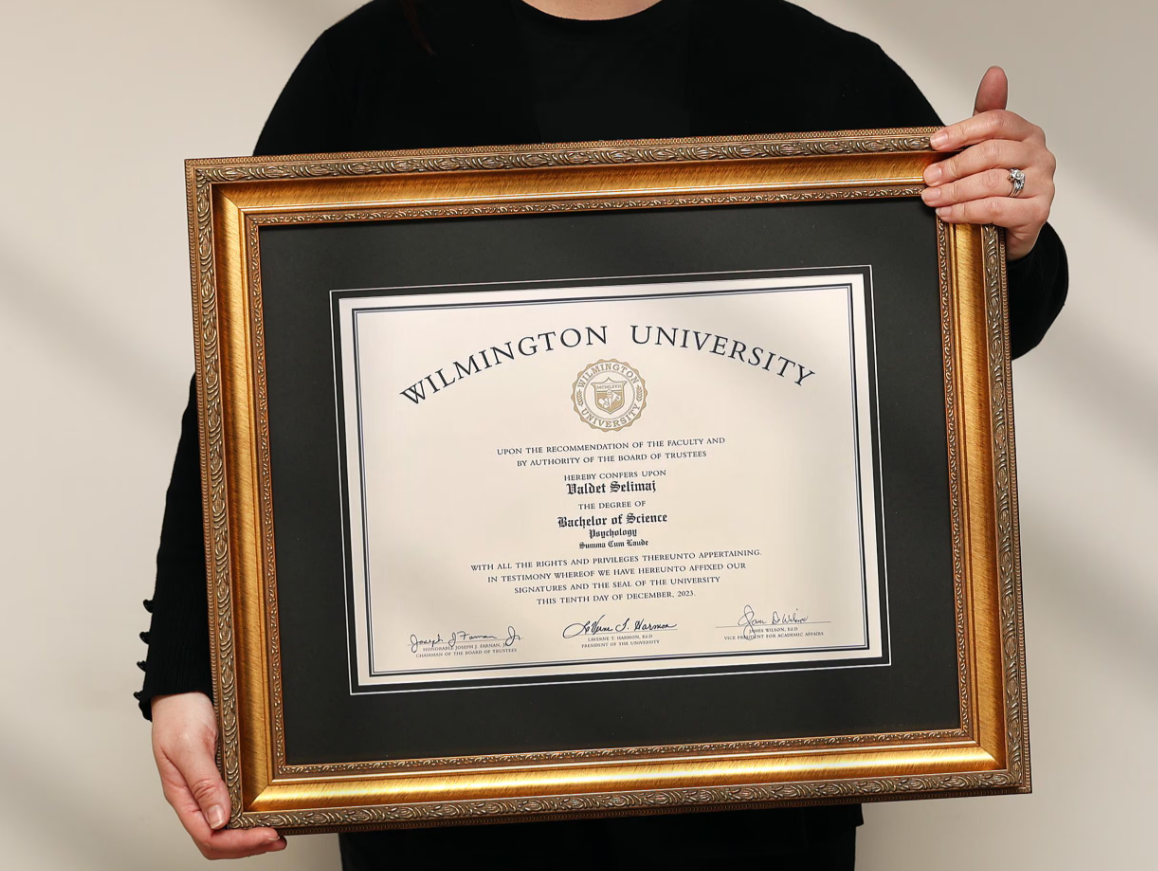
Confirm digital confirmation capabilities.
Trusted institutions offer transparent documentation and third-party validation.
Business Tendencies in 2026
The training segment is considering quick modernization. Essential developments include:
AI-based background verification
Digital academic transcripts
Protected QR-based level verification
World wide academic credential databases
These methods allow it to be increasingly burdensome for non-verified credentials to go professional scrutiny.
Why Experts Choose Acknowledged Academic Pathways
Career security, worldwide freedom, and pay development usually rely on approved qualifications. Research indicates that people who have approved degrees make 24–35% larger salaries in comparison to these without acknowledged credentials.
Employers value:
Institutional reliability
Standardized analysis techniques
Honest submission
Transparent academic history
Professional development depends upon credibility, and reliability starts with reliable education.
Ultimate Thoughts
Academic skills stay one of the most strong instruments for job advancement. However, reliability and accreditation are no more optional—they're required in a digitally approved world. Professionals seeking growth must prioritize acknowledged institutions, tested recommendations, and certified academic pathways.